In the lighter time of year words arrived
concealed in branches. Flaubert exchanged
himself for words, night became a night of
words and a journey a journey of words, and
so on.
-Barbara Guest
At the advice of trusted confidants - and some half-assed research of my own - starting today "Hey Fred" and everything else will be housed at http://screenofdistance.wordpress.com/
Another week I'm out of town for most of so apologies if this is distracted or hasty but there's some amazing stuff coming through town.
Theatre
The Christians by Lucas Hnath presented by Available Light Theatre. Riffe Center, 77 S High St. Available Light ends their season - which already included some of the best work they've ever done, like Quixote and She Kills Monsters - with what promises to be a bang. Hnath's The Christians was one of the most buzzed about (and called "the finest of the bunch" by the New York Times) plays of the 2014 Humana Festival and plays one of the finest Off Broadway companies, Playwrights Horizons, next season, so its out of town bonafides are unassailable. But for anyone who loves Columbus theatre, its local pedigree is the real trigger-puller. Directed by Acacia Duncan, whose assistant direction on Merrily We Roll Along and Jane Eyre, makes me desperately want to see what she does with this. Starring Whitney Thomas Eads, Jordan Fehr (both of whom most recently blew me away in She Kills Monsters), Ian Short (most recently seen uplifting Gallery Players' The Farnsworth Invention), and Michelle Schroeder and Matt Hermes who have broken my heart many times but I don't think I've yet seen in anything this season. My highest recommendation, and look for a review if I can make the timing work out. Opens on May 21. For tickets and more info visit http://avltheatre.com/shows/christians/
Music
May 21: Itasca and Oath. Used Kids Records, 1980 N High St. May 21 is the day I'm sorriest to be out of town this week because of the very different shows at Used Kids and Ace. Kayla Cohen's worked in drone-based and collaged avant-garde modes but her new work under the Itasca name strips that down to diamond-hard acoustic fingerpicking and multitracked vocals that have more in common with In Gowan Ring or Nick Castro or even Marissa Nadler. It's beguiling, intoxicating music. Oath is Julia Lans Nowak, poet and visual artist, whose synthesizer based music has a similar sense of foggy mystery and unbridled promise. Locals Mike Shiflet and Meadows open. Starts at 6:00pm. $5 cover.
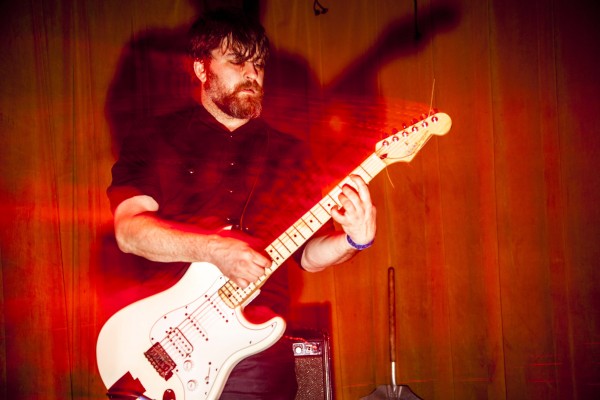
May 21: Gary Wrong Group and CCR Headcleaner. Cafe Bourbon Street, 2210 Summit St. The Gary Wrong group are the kind of art-high rock and roll that will scour any corrosion off your old receptors and make the metal in your brain shine. A little Hawkwind, a little Plastic Crimewave Sound, a healthy dose of the Stooges, played with an eye on the future and a thick, greasy sensuality. One of the best things I ever saw at a Gonerfest. This killer double bill also has CCR Headcleaner, who traffic in similarly nasty tones and cracked psychedelia but played with the righteous slowness of great Southern rock or doom metal. Similarly apocalyptic locals Unholy Two and Vatican Dagger open. Starts at 9:00pm. $7 cover.
May 23: X__X. Ace of Cups, 2619 N High St. Classic Cleveland art-punk band X_X, John Morton's follow up to the Electric Eels, has seen a resurgence of late with a compilation, X Sticky Fingers X, out last year and a renewed passion for touring. The current lineup includes Craig Bell (The Mirrors, Rocket from the Tombs, The Down-Fi), Andrew Klimeyk (The Mirrors) and Matthew Herbert and all accounts say the new round of shows are not to be missed. Local spiritual heirs Unholy 2 (on the noisey, art-damaged, end of the world side) and Senor Citizen and the Border Patrol (on the classic rust belt punk tip) open. Doors at 9:00pm. $8 cover.
May 23: Baoku. Rumba Cafe, 2507 Summit St. Cincinnati's Afrobeat healers/revivalist/renegades bring their blend of spiritual groove up to Rumba Cafe on Friday. Nigerian-born frontman Baoku Moses leads a large band through a simmering cross-section of styles and riffs in a purifying, scalding, sensual parade. The local opener of this fascinating double bill is Ben Johnson's Insane Jazz Posse who have transcended the goofball name over the last few years and forged a unique, powerful sound as more originals have been written and refined in the crucible of constant practice and play. Doors at 9:00pm. $5 tickets at https://www.ticketweb.com/t3/sale/SaleEventDetail?dispatch=loadSelectionData&eventId=5942325
May 15: Spring Exhibition Opening and conversation with Catherine Opie and Jack Whitten. Wexner Center for the Arts, 1871 N High St. I couldn't be more excited for a visual art opening this year than the Spring shows at the Wexner Center. Catherine Opie is one of my favorite photographers working today, since I first saw her work at the Wexner Center in the group show Hard Targets in early 2010 and soon after saw a show of her portraits at the Gladstone Gallery in NYC. It's richly evocative, thoughtful, arresting work. Abstract painter Jack Whitten's work I've only seen scattered examples - though loved them - so it's a great treat to get to see a retrospective in my town. Icing on the cake is the discussion between the two artists being led by one of the finest arts journalists in the US right now, Tyler Green, so don't be late. Discussion begins at 5:00pm. Opening reception 6:00-9:00pm.
Music
May 11: Holydrug Couple. Double Happiness, 482 S Front St. Chile's Holydrug Couple make some of the best sensual psychedelia of the underground music scene. They're key players on the always-solid Sacred Bones label and whether they're traversing through bluesier moods or wrapping their songs in a sweet, melancholy gauze, whatever they bring to the table is intoxicating. Don't miss this opportunity to see them in the intimate confines of Double Happiness, sometimes the best-sounding room in town. Similarly psych-drenched locals Brujas del Sol and WVWhite open. Starts at 8:00pm. $10 tickets available at http://www.ticketfly.com/event/826457-holydrug-couple-columbus/
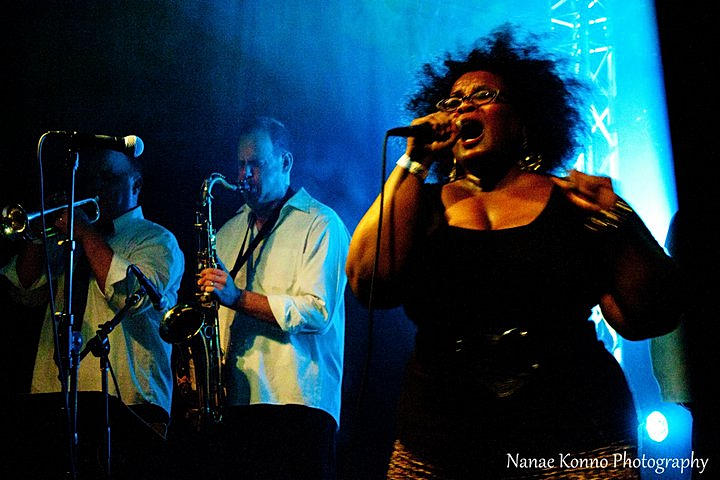
May 15: Talisha Holmes Ensemble and Friends Celebrate Stevie Wonder. Brothers Drake, 26 E 5th Ave. Talisha Holmes is one of the great singers in Columbus right now, maybe one of the best R&B singers we've ever produced. Her show in March at Dick's Den was maybe the most packed I've ever seen in that place and an early favorite for my shows of the year list, the ensemble is tight and swinging. One of the first touchstones anyone who hears her thinks of is Stevie Wonder and that late '60s-mid '70s transitional period of Motown, so this tribute show should be unbeatable. Also tantalizing is the prospect of "friends", I guarantee with her contacts and her talent there won't be any bullshitting on that stage. Starts at 10:00pm. $5 cover.
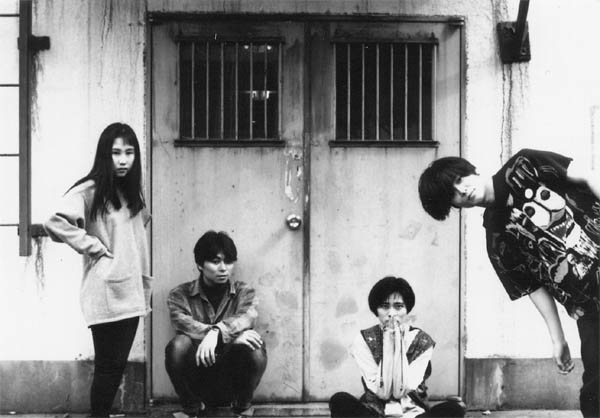
May 15: Melt-Banana. Skully's Music Diner, 1151 N High St. Japan's Melt-Banana who I first saw at the much-missed More than Music Festival 10+ years ago were one of the most joyous freakouts I'd ever experienced. Their brand of noise-pop has aged well and it's still one of the most purely fun live shows going so it should be a joy to see them at Skully's. Doors at 9:00pm. $15 tickets available at http://www.ticketweb.com/t3/sale/SaleEventDetail?dispatch=loadSelectionData&eventId=5659585
May 17: John Fullbright. Valley Dale Ballroom, 1590 Sunbury Rd. One of the most acclaimed Americana singer-songwriters of the last few years, John Fullbright brings his wise-beyond-his-years powers of observation and his unfailing sense of melody to the Grand Valley Dale Ballroom for something resembling a Sunday secular tent revival. There's a degree of space and a respect for silence that's not often seen in the newer wave of Americana writers and there's an empathy and respect for the characters being depicted that recalls Guy Clark and John Hiatt without directly aping either of those greats. His star shows no sign of stopping its rise anytime soon so don't miss seeing him in this vaunted old concert hall, mingling with the ghosts of the Velvet Underground. Starts at 8:00pm. $25 at the door.
May 4: Guerrilla Toss. Ace of Cups, 2619 N High St. Boston's Guerilla Toss are a five piece specializing in anarchic, unhinged avant-funk. Led by electrifying frontwoman Kassie Carlson, the band calls back to noise as a primal body music and to the steady, rocking dance beat as a trojan horse for opening your mind up and rewiring the pathways in your brain to augment receptivity. The local side of the bill is pretty stacked as well, with the fascinating electronic sound collages of Giant Claw, Dana who take off from the Pere Ubu school, and Stella about whom I don't know anything yet. Starts at 8:00pm. $8 cover.
May 5-6: Tom Russell. Natalie's Coal Fired Pizza, 5601 N High St. One of the finest singer-songwriters working today. Alec Wightman's Zeppelin productions, who are discussed often in this space, started with a Russell show and there've been few years in the intervening 20 when we weren't graced with his presence at least once. This two-night residency at Natalie's should be special, both because he promises very different shows on each night - and with a catalog of 20+ albums, he can pull that off without ever dipping into subpar material - and because he just released a new album, Rose of Rosecrae which is the third in his folk-opera trilogy (started with The Man From God Knows Where and continued with Hotwalker) and it takes everything good about the first two and explodes it. A collage of archival recordings - including Leadbelly and Johnny Cash - new writing for other voices like Dan Penn, Guy Clark, Maura O'Connell, and Jimmie Dale Gilmore, and Russell's perfectly weathered baritone, it's an ambitious record, novelistic in scope and while I'm still processing it, I think it's fair to say unparalleled in the Americana field. If you have any interest in the craft of songs, how to weave history into a narrative without coming off preachy, or how to get better at what you do year after year, you should come see this and be dazzled. Starts at 8:00pm. $30 tickets available at http://www.nataliescoalfiredpizza.com/calendar
May 7: Six Organs of Admittance with Elisa Ambrogio. The Basement, 391 Neil Avenue. Ben Chasny's Six Organs of Admittance project is a chimera, changing its face to duck easy recognition. And it's been flexible enough to let him follow whatever he's most interested in from a solo perspective (he also works in collaborative projects like 200 Years and Rangda). over the years I've seen it in contexts including frayed, loud electric guitar recalling ESP-Disk and Acid Mothers Temple, delicate cubist fingerpicking that recalls Bert Jansch and Jack Rose, or orchestrated almost baroque folk. His new record, Hexadic, while based on a game system designed around theoretical guitar ideas, might also be his most accessible with surging riffs and eyes on catharsis. Elisa Ambrogio from Magik Markers (who put out a phenomenal solo record late last year) opens. Doors at 7:00pm. $10 tickets available at Ticketmaster.
May 7: Bloodthirsty Virgins with The Hexers and Sin Shouters. Spacebar, 2590 N High St. Nikki Wonder's one of my favorite singers and entertainers to ever walk across a Columbus stage. For a few years in the early '00s, her band Jack Neat with their blend of torchy vocals, noir twang guitar and a swinging rhythm section, were my favorite band in town. So I'm incredibly excited to see her new project, Bloodthirsty Virgins, with a stellar cast of musicians backing her including Scott Gorsuch on guitars, Keith Hanlon on drums and percussion, and James Wooster on bass. Early recordings sound amazing and friends who caught them at their first couple of shows in town came back raving. It doesn't hurt that the rest of this bill is filled out with other twists on retro forms that are some of the best dance party bands in Columbus working right now. The Hexers with their take on girl group rhythms filtered through hard-charging guitar rock and an electrifying frontman in Eric Wrong. The bill is rounded out by Sin Shouters who dip further back with soul music you don't hear covered very often including "Frenzy", "First I Look at the Purse", "Down on the Farm" and "Tallahassee Lassie", a bastard child of the Flamin' Groovies and J. Geils Band with their own swing. Starts at 9:30pm. $5 cover.
May 9: White Mystery. The Summit, 2210 Summit St. Maybe Chicago's finest rock band, White Mystery get better every time I see them with stronger songs and an already-electrifying live show. Miss Alex White's howl is without parallel in touring circles today and her volcanic guitar will pin you back against the wall, backed only by her brother Francis Scott Key's ferocious drumming. It doesn't hurt that the rest of this bill is stacked with two of the best rock bands in town, The Girls! who are working up new songs and not to be missed as they come out of a few months of not playing out, and Senor Citizen and the Border Patrol. Starts at 10:00pm. $8 cover.
A rare all-music week of "Hey, Fred!" and even more stuff I couldn't fit on. Go out and see some shit this week, Columbus.
Music
April 28: Are You Fucking Kidding Me? A 50th Birthday Celebration of Quinn Fallon. Little Rock Bar, 944 N 4th St. Quinn Fallon's been a mainstay on the Columbus music scene for as long as I've been aware of the music scene. As a singer, songwriter, bandleader, benefit organizer, bartender at some of our key venues including 700 High, Stache's, and Little Brother's (if you don't think the bartender is a cornerstone of any rock and roll scene, you are sadly mistaken), and for the last 15 years bar owner (first at Andyman's Treehouse and now at Little Rock) giving many bands, DJs, and bookers their early shot. He's been directly or indirectly responsible for many of my favorite show-going moments in this town and he finally has a band and songs I'm 100% behind with Los Gravediggers. If you owe Quinn a favor or a thank you, and I know that's no small number of people, you should make it out to this birthday celebration featuring two Los Gravediggers sets. Starts at 7:00pm. Free show.
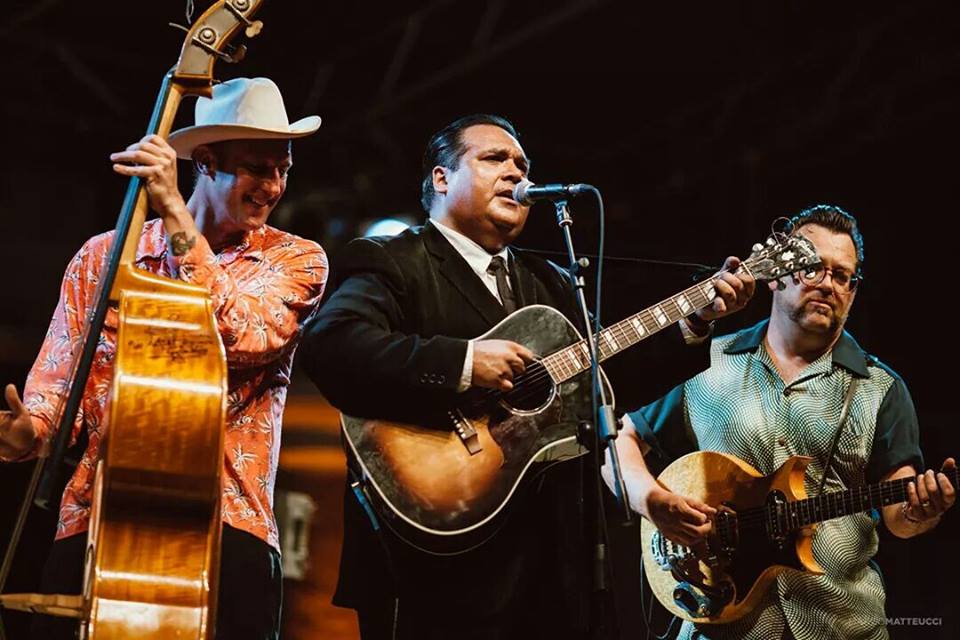
April 30: Big Sandy and His Fly-Rite Boys. Natalie's Coal Fired Pizza, 5601 N High St. You could scour the whole wild world and not find 10 people with even half of Robert "Big Sandy" Williams' sweet, soaring tenor voice and boundless charisma. He's one of the finest singers I've ever laid eyes or ears on and one of the great accomplishments of Natalie's - on a very long list - is bringing Big Sandy and his hard-swinging Fly-Rite Boys back to Columbus on a regular basis for the first time since Little Brothers lamentably closed. He writes impeccable, knowing songs in classic forms - most often rockabilly and Western Swing, but also with a tight grasp of doo-wop, R&B, honky tonk country, jazz balladry and even exotica and rocksteady - with the lived-in quality of standards and the clear eyes of today and right now, merging the two like very, very few others ever have. And that's not to slight the perfection his band brings to the bandstand every time at bat, with a solid four-piece lineup these days including long-time guitar ace Ashley Kingman and supple, swinging rhythm section of Kevin Stewart on upright bass and backing vocals and Joe Perez on drums. I can't make this swing through our fair city because of a play I'm reviewing but that opens up a spare seat for you, dear readers. Starts at 9:00pm. $15 Tickets available at Vendini.
May 1: The Ex-Bombers. Cafe Bourbon Street, 2216 Summit St. Columbia, Missouri's Ex-Bombers play what they and their label, Cavetone Records, call dirtbag jazz and beatnik spy punk. They bring a sound that's all low end with Keri Cousins' sparse drumming that recalls Moe Tucker and takes that influence all the way back in time to Olantunji and her crooning, scratchy vocals backed only by Scott Walus' throbbing bass and backing vocals. They use the elements of a rich palette of colors and moods but feel like they edit religiously and throw away what they don't need with the abandon of a real artist - it's an intoxicating mix you can dance, nod off, or make out to and I'd expect to see all three responses when they come to Bobo for a happy hour show. Locals Faster Island open. Starts at 7:00pm. $5 cover.
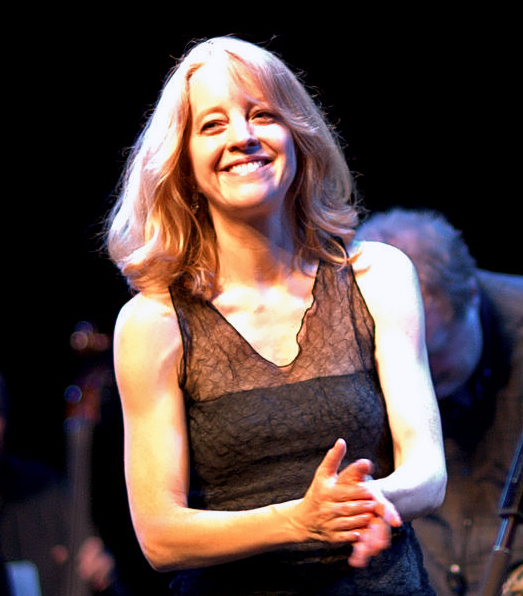
May 1-2: Columbus Jazz Orchestra featuring Maria Schneider. Southern Theatre, 21 E Main St. The CJO closes its 2014-2015 season with a bang. There's no legend in the world of big band writing and arranging of the last 30 years bigger than Maria Schneider who almost single handledly kept the torch of Carla Bley, Gil Evans, and Bob Brookmeyer alive in the dark days of the '90s with one classic after another like Evanescence, Coming Around, and Days of Wine and Roses - Live at the Jazz Standard which I played constantly in my early 20s. And she's still making classics - as she experiments with longer forms and other genre references, Sky Blue and Winter Morning Walks are as good as anything anyone's done for the form. A bridge between classics of the big band genre and the new jacks like Guillermo Klein, Orrin Evans, and Darcy James Argue. Her writing is rich and unexpected and charming, clean and brutal and wise, that keeps revealing its mysteries and secrets year after year after year. The program here is called "Big Band Evolution" and come with your ears and mind ready to be cleaned the fuck out. Let's also hope this might be a bridge toward CJO dealing with a more modern repertoire at least occasionally, some of the best players in the world for this kind of music digging into things just a little outside of their comfort zone. Show starts at 8:00pm. Tickets and more info available at http://www.jazzartsgroup.org/concert-tickets/
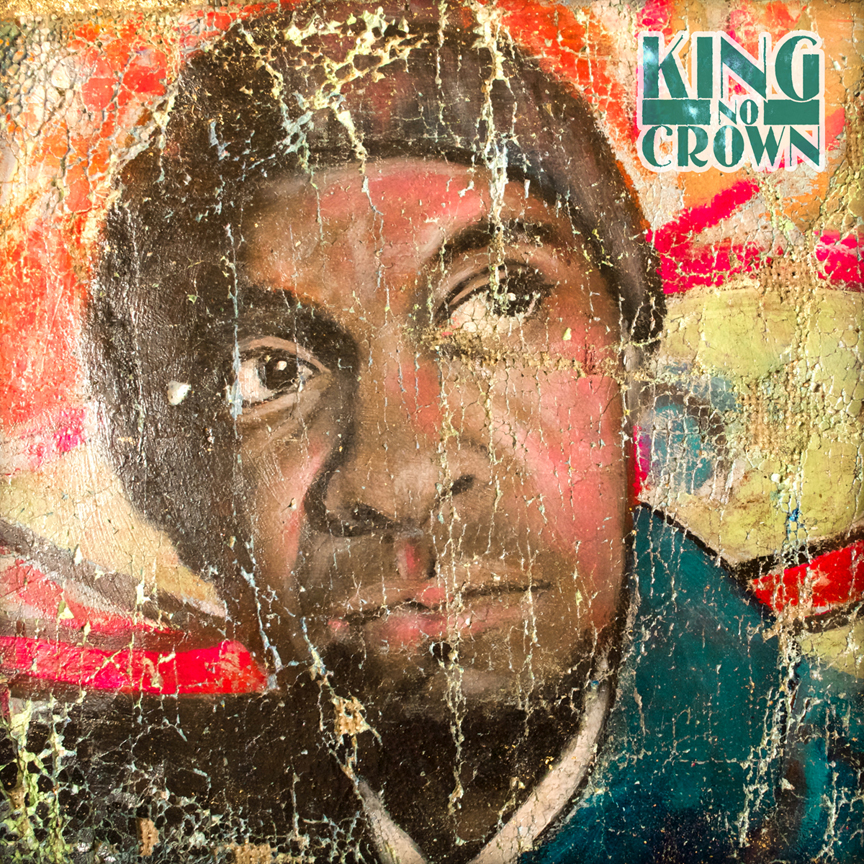
May 2: Blueprint. Brothers Drake, 26 E 5th Ave. Blueprint's one of the finest rappers in Columbus or anywhere with a cracking live show and his records just get better, stronger and catchier and more diverse. As a producer, he's got no equal in town and as a songwriter he's brings crystal clear perceptions, sharp and funny and grim and hopeful, to everything he touches. So any time a new record drops is a cause for celebration and this show for his new album King No Crown is no exception. The bill is stacked with support from legend J Rawls, King Vada about whom I hear nothing but good things, The Almighty Owl Greens and DJ Rare Groove. Show starts at 10:00pm. $10 tickets available at http://kingnocrown.bpt.me/
April 20-21: The Aliens by Annie Baker. OSU Lab Series, Drake Performance Space, 1849 Cannon Drive, room 2060. The Ohio State University wraps up a year of fascinating, cutting edge work in their Lab Series with a production - I believe the first in the Columbus area - of one of the finest and most acclaimed plays of the last 10 years. Annie Baker's The Aliens takes place behind a Vermont coffee shop where nervous teenaged employee Evan is taken under the wing of two overeducated and lost 30ish men, Jasper and KJ, and it's told with such empathic observation that by the end it will remind you of Chekov. I saw the Off-Broadway run of this at Rattlestick with Dane DeHaan and Michael Chernus and it's one of my most treasured theatre-going memories, something that slowly grew in impact until I was crying by the end of it. I'm particularly interested in this production because of the director, Karie Miller who was astonishing directing and performing in Available Light's one-night workshop of The Burden of Not Having a Tail.Starts at 7:00pm, tickets available at 6:00pm. Free event.
April 23-26: the theatre is a blank page by Ann Hamilton and SITI Company. Wexner Center, 1871 N High St. I don't think it's any exaggeration to say this is the theatrical event of the waning days of the 2014-2015 season - both the Wex's anniversary season as well as the theatre season. Longstanding Wex collaborators, SITI Company, led by Anne Bogart, who took the top of my head off in college with their Room return for another look at a different Virginia Woolf piece, To the Lighthouse. This work jumps off from that to look at how reading is perceived and what "reading" means. Developed in full collaboration with visual artist Ann Hamilton (who worked with SITI on her Park Avenue Armory installation the event of a thread), the advance word I've gotten - and there hasn't been much, people are keeping the surprise close to their chests - is that this will be unlike anything I've seen and anything I expect. Look for a full review at Columbus Underground but believe I'll be there Thursday night drinking it all in. Sold Out. Check http://www.wexarts.org/ for information on times and tickets that become available.
Literary
April 22: Literacy Narratives of Black Columbus Community Sharing Night. Denney Hall, 164 W 17th St. As National Poetry Month rides the crest of its wave in 2015, OSU's English department is presenting something special late enough for those of us who work banker's hours to make it to. From 6:00-7:00pm students will present research presentations and interviews with Columbus's local black poets. At 7:15, the audience will be treated to performances by three of the best working in Columbus right now: William Evans, Barbara Holmes (better known as Barbara Fant), and Scott Woods. You won't see better poetry anywhere in town and there are even fewer opportunities to see that academic context wrapped around poets who are performing here and around the country every single week, refining their craft and doing the work. Begins with refreshments at 5:30pm. Free event.
Music
April 21: Spotlight Series: "Jazz 100s: Billy Strayhorn". Lincoln Theatre, 769 E Long St. One of the finest composers of jazz and popular music of the 20th century is Billy Strayhorn. Just writing "Lush Life" gets you into whatever heaven exists for a songwriter but past that his work both with Duke Ellington and solo - "Bloodcount", "A Flower is a Lovesome Thing", "Chelsea Bridge", "Take the A Train" (with all my trips to New York, I still can't catch the A Train - whether in Harlem, the Upper West Side, Chelsea, Brooklyn or Queens - without starting to hum those sweet notes to myself). Part of Jazz Arts Group's Jazz Academy series, they honor the centennial of Strayhorn's birth with one of Columbus's great pianists, Dave Powers - himself an encyclopedia of recorded music and styles - talking about Strayhorn and playing his great pieces. For more/better informed information, check out Andrew Patton's JazzColumbus column.Starts at 7:00pm. $10 cover.
April 23: Sensations' Fix. The Summit, 2210 N Summit St. Most unexpected show to hit Columbus this season? Maybe. Italian prog progenitors Sensations' Fix, led by Franco Falsini, put out a run of dazzling, delirious albums in the '70s (later sampled by DJ Shadow) and were then mothballed as Falsini dabbled in new wave and electronic trance. With the RVNG Intl label reissuing their classic albums cut for Polydor, Falsini started a full-on revival in 2012 that finally weaves its way through the heartland to dance, sway and destabilize. Some of Columbus's finest mind-bending bands round out the bill: Psychedelic Horseshit, Golden Death Music, and Jacoti Sommes. Doors at 9pm. $8 cover.
April 14: Charlie Hunter Trio. Natalie's Coal-Fired Pizza, 5610 N High St. Guitarist Charlie Hunter has practically defined a method of playing the 7 and 8-string guitar in a way that eschews wanky virtuosity and trained seal antics. His playing rotates on sensuality. a bone-deep understanding of R&B but with the wild melodic flights of the greatest jazz players. His writing and his choice of repertoire are as good as his playing. As anyone who saw last year's duo show with the great Scott Amendola can attest, he's a motherfucker dueting with just another voice, but I'm going out on a limb to say this show will be even more special. It reunites him with his long time collaborator drummer/composer Bobby Previte (who started working with Hunter in 2003 and are currently the rhythm section in riotous party band Omaha Diner) and brings in a young voice, trombonist Carly Myers. As good as Hunter's work with just drummers is, there's a special other level he reaches with horns, as in his collaborations with trombonist Curtis Fowlkes or the aforementioned Omaha Diner featuring Steven Bernstein on brass and Skerik on reeds. Myers has been making her name on the jam circuit with Mike Dillon, Yojimbo, and guest spots with Umphrey's McGee, and I can't wait to hear her. Bobby Previte I most recently saw at Bowery Electric in a trio with Mike Gamble on guitar and Austrian bari sax player Fabian Rucker and it damn near singed my eyebrows off. Even as someone who's been a fan of Previte since his records with Wayne Horvitz and John Zorn I got turned onto in high school (not to mention his appearance on Rain Dogs, another strong contender for best record of the 1980's - see below), the power and control rippled through that bar. Previte's writing is also hitting new heights; his suite Terminals that came out last year, featuring So Percussion, Nels Cline, John Medeski, Zeena Parkins, and Greg Osby, I regret only that I didn't hear it soon enough to make my Best Of list - music I'm still unpacking. Starts at 8:00pm. $20 Tickets at Vendini.
April 16: Vijay Iyer Trio. Wexner Center for the Arts, 1871 N High St. Vijay Iyer might be my favorite jazz pianist working today. He synthesizes everything that moves or excites him in a way that sounds like nobody else. He breathes through his piano with a touch that's lyrical and hard in exactly the right ways and his compositions leave me breathless. This return trip to the Wex finds him bringing his standard jazz piano trio with one of the finest rhythm sections playing today, Stephen Crump on bass and Marcus Gilmore on drums, promoting one of the best jazz piano trio records I've heard in years, Break Stuff. This is a clinic in masters of the form doing what they can do with voices uniquely theirs. Starts at 8:00pm. $22 tickets available at http://wexarts.org/performing-arts/vijay-iyer-trio
Visual Art
April 19: Exhibit Opening and Reception: Graphic Details: Confessional Comics by Jewish Women. Billy Ireland Cartoon Museum and Library, 1813 N High. The expansion and renovation of the Billy Ireland has been one of the great success stories of the last few years and this new exhibition has me maybe more excited than I've been for anything there yet, and I've not yet been less than stunned. Curator Sarah Lightman's touring exhibit takes a look at the influence of Jewish women on the cartooning medium, particularly in the creation and flourishing of autobiographical comics through the work of 18 creators from the US and Canada. For the opening, not only is Lightman here to give guided tours, she's assembled some of the best speakers and cartoonists in comics - Sarah Glidden, Miriam Katin, and Trina Robbins (also an acclaimed historian). Seeing Trina Robbins speak at a Festival of Cartoon Art when I was in High School is a seminal moment for me so you can rest assured I won't miss this. Starts at 1:30pm. Free and open to the public. Film
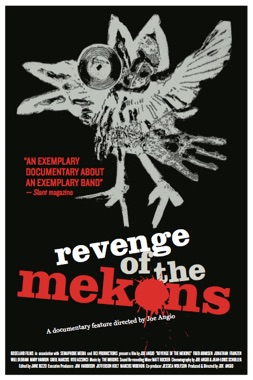
April 15: Reelin' and Rockin' Presents Revenge of the Mekons. Gateway Film Center, 1550 N High St. There aren't many bands that have been more important to me personally or to whole swaths of the music I love and the music I met many of my friends through than the UK's Mekons. From their first record - 1977's still-funny piss take of The Clash, "Never Been in a Riot" - through helping to solidify the nowhere-near-named-yet alt.country movement with 1985's Fear and Whiskey and on to more recent work like 2002's masterpiece Oooh! (Out of Our Heads), they never once faltered in their commitment to pure, uncompromising rock and roll that spoke to their loves and interests and raged against their devils. Rock 'n Roll is damn near the finest record of the 1980s and gave the world one of its handful of contenders for the perfect rock and roll song, "Memphis, Egypt" which shoves and revels in and fucks with rock's erotics and mythopoetics and even the concept of a creation myth entirely - I still get chills when I hear those slashing chords and that line, "Destroy your safe and happy lives / Before it is too late / The battles we fought were long and hard / Just not to be consumed by rock and roll". This is not to even get into the stunning work Jon Langford's done solo and with The Sadies, Pine Valley Cosmonauts, The Waco Brothers, and Skull Orchid; Sally Timms' fragile, heartbreaking solo work; Tom Greenhaigh's multi-media projects and excavations; Steve Goulding's work with Graham Parker and Elvis Costello; and Susie Honeyman's film scores and work with Rip Rig + Panic; all just to cherry-pick examples. Let whatever attention is left in this deficient age be paid to the Mekons. Happy hour (with drink specials) begins at 7:00pm. Film begins at 8:00pm.
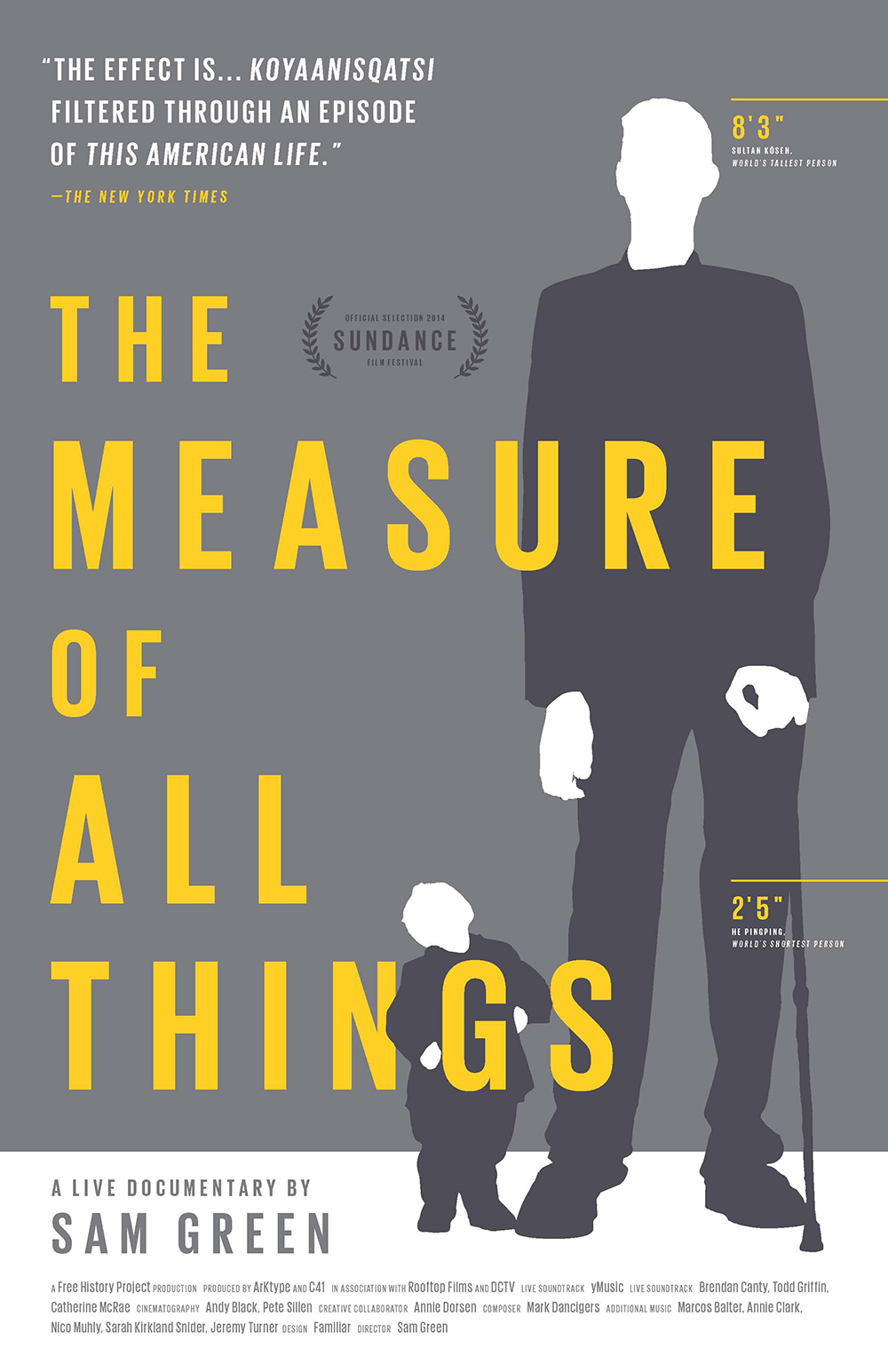
March 18: The Measure of All Things. Wexner Center for the Arts, 1871 N High St. Sam Green does terrific documentaries with a live component. Columbus is lucky enough to benefit from his relationship with the Wexner Center that brings his new work to town, most recently his Love Song to R. Buckminster Fuller with Yo La Tengo about three years ago. His new work, The Measure of All Things, is a look at obsessions with records, particularly the Guinness Book of World Records, a way to define and hem in the world. He presents it with live narration and music by The Quavers (Todd Griffin, Catherine McCray, and Brendan Canty). These presentations are always uplifting. Starts at 7:00pm. $12 Tickets available at http://wexarts.org/film-video/sam-green-measure-all-things


:format(jpeg):mode_rgb()/discogs-images/A-443901-1173122021.jpeg.jpg)